Our mission
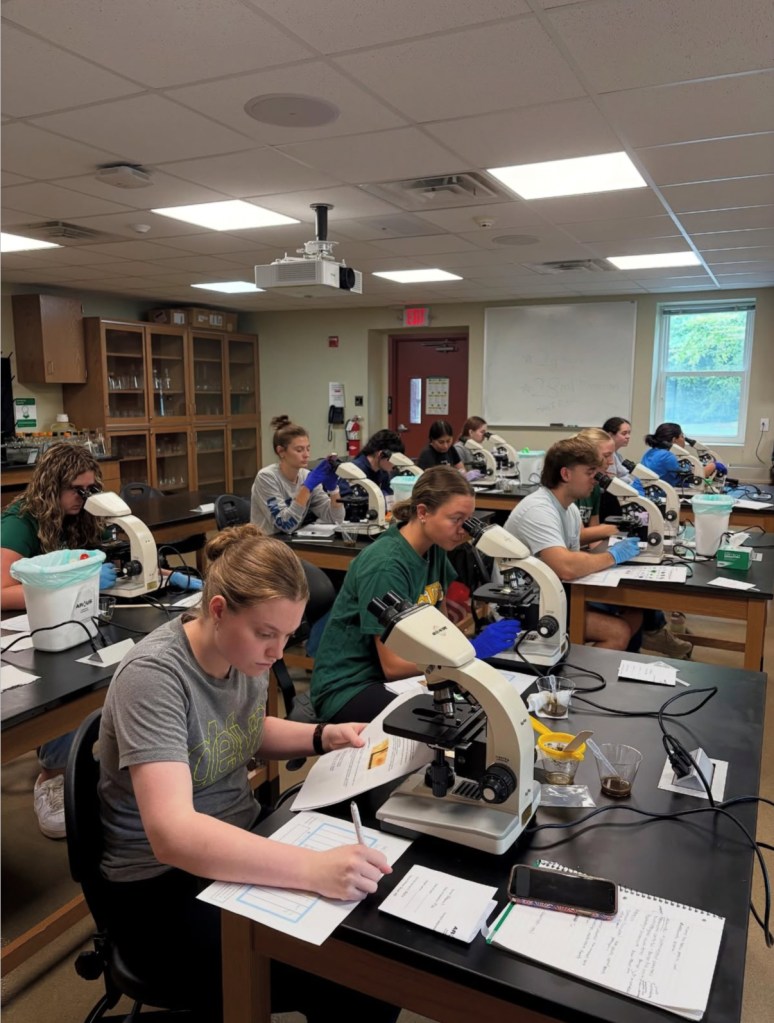
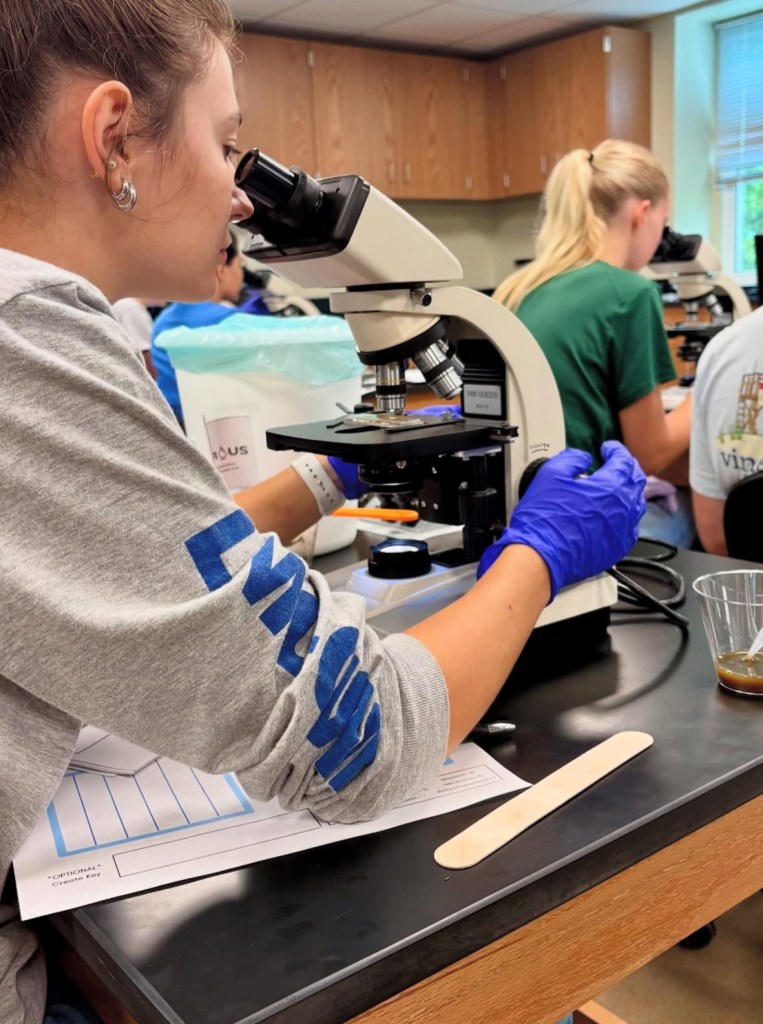
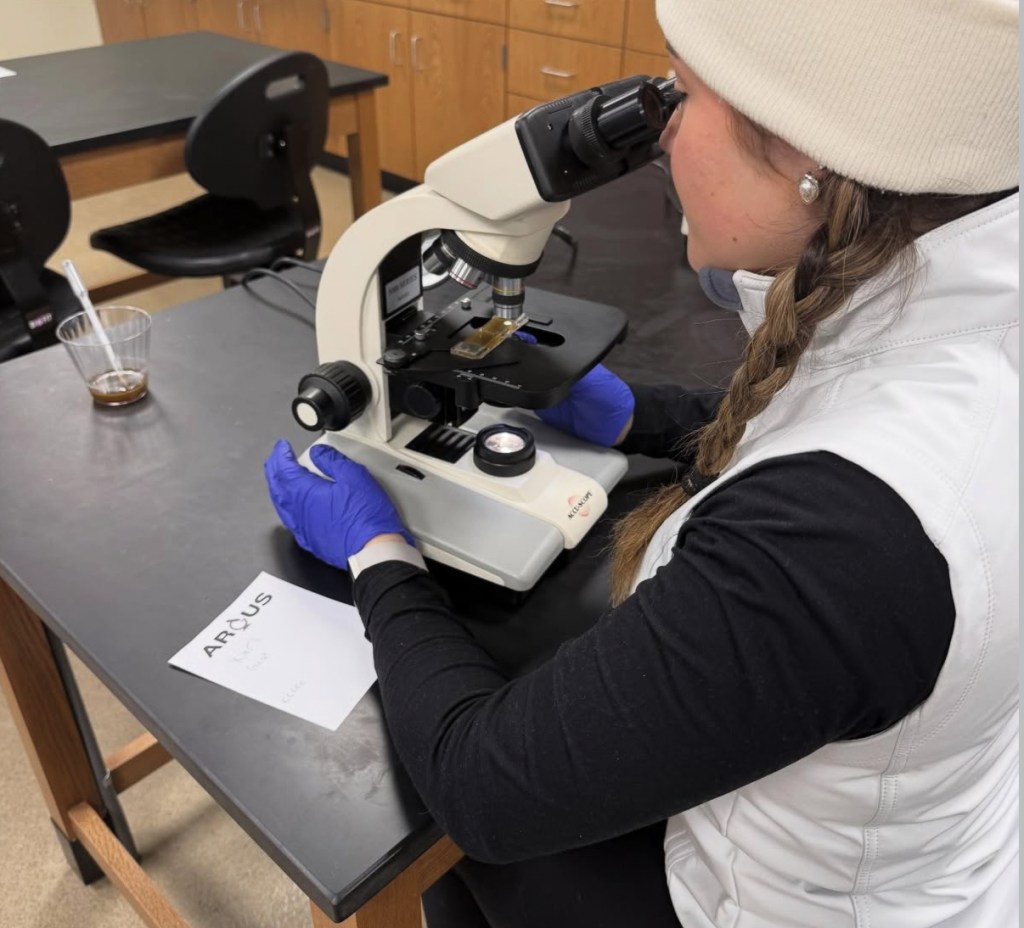
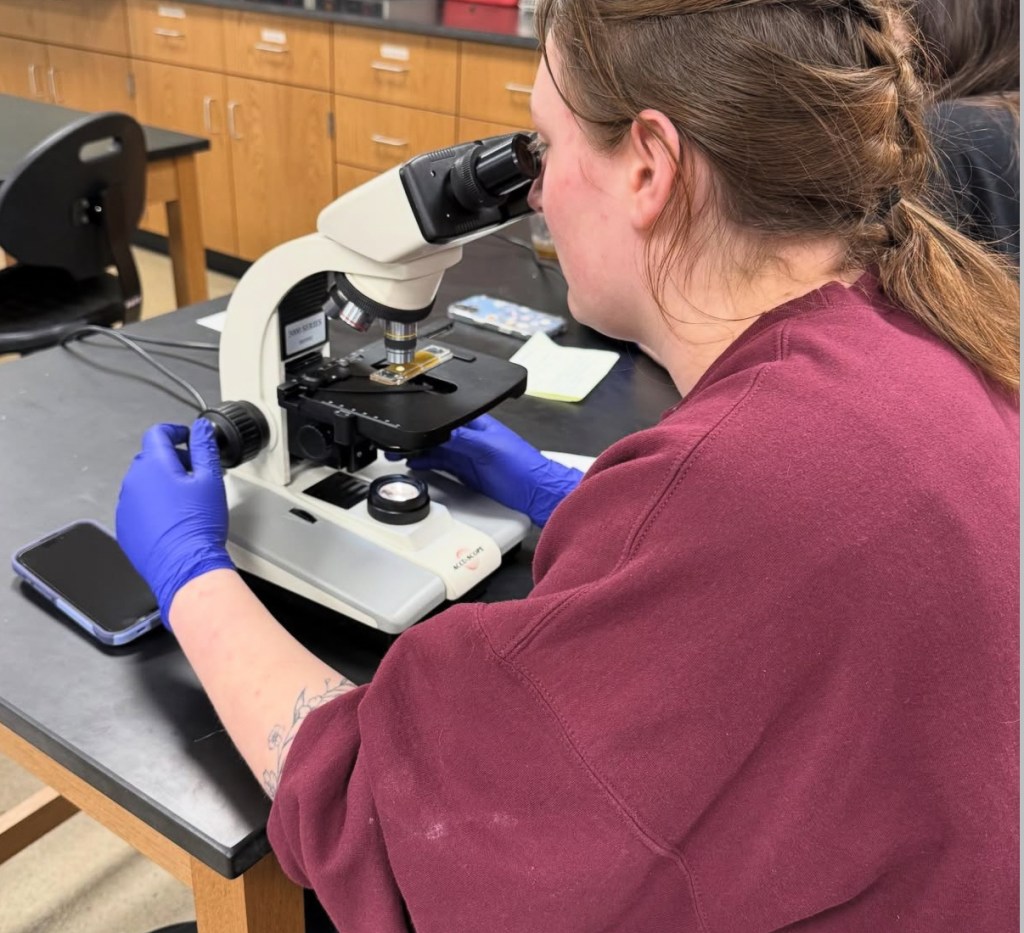
AEPL seeks to provide education and hands-on experience to students as well as to raise awareness on the importance of illness and parasite management to members of the small ruminant community. Through enlightening “mock” pathology testing, our testers gain vital knowledge by examining a variety samples from unique goats and sheep.

Current Model
AEPL is open to submissions from small ruminant (goat and sheep) owners. With the cost-free (barring shipping expenses) submission of a sample, owners must understand that any samples will be used by our student testers for exploration only. While “results” of any testing will be shared through personal communication, this information is in no way an actionable diagnostic. Our students are simply learning, and we encourage an autodidactic education style.
As stated above, there are no required fees to submit a sample to AEPL. Optional donations are encouraged and can be made HERE (or included with shipped samples) to support the materials used by the students in the lab.
AEPL testers primarily perform fecal tests for small ruminants utilizing a Modified McMaster Technique. This test is used to identify common gastrointestinal nematodes (such as Barberpole Worm) and other intestinal parasites (including Coccidia).
What is Autodidactic Learning?
“Autodidactic” refers to the process of learning independently, without formal instruction or a structured curriculum, often relying on self-study and personal initiative. Our team consistently works to gain the knowledge necessary to perform hands-on testing through online education, local mentorship, resources/textbook information, and most importantly, practice! The samples generously submitted to AEPL foster this innovative learning process.
Why “Argus?”
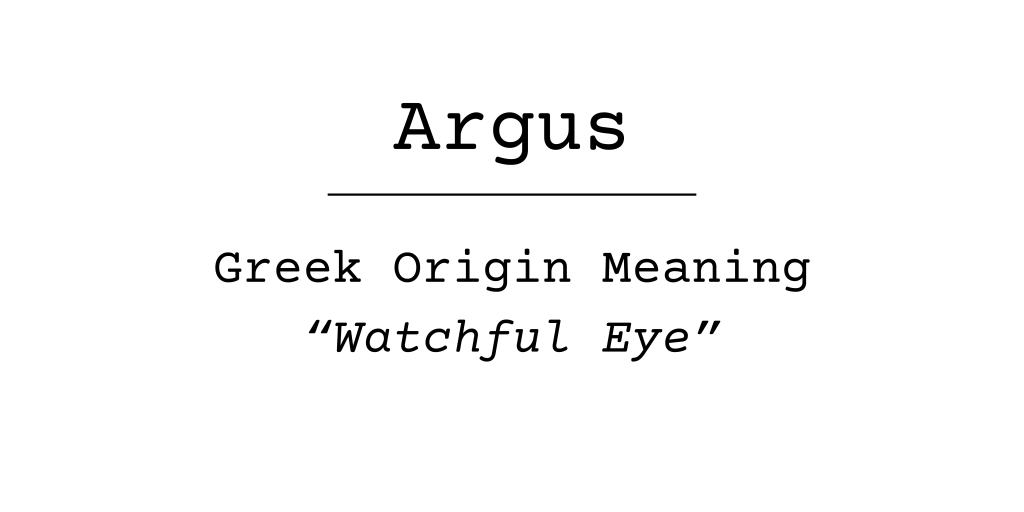
The name Argus reflects our commitment to fostering vigilance and proactive learning within the small ruminant healthcare community. Having a ‘watchful eye’ on the details that matter most is vital in the prevention of illnesses. By encouraging examination on a macroscopic and microscopic level, AEPL hopes to inspire both students and small ruminant owners to gain a deeper understanding of how diagnostic pathology can aid in general healthcare and management.
 Argus Exploratory Pathology Lab